The Digital Transformation: How Technology is Reshaping Casino Architecture and Interior Design
The casino floor has always been a theater of the latest technology, from the first electrified slot machine to the digital video reel. Today, however, technology is no longer just inside the games; it is becoming the very fabric of the building itself. A profound digital transformation is underway, reshaping casino architecture and interior design from static backdrops into dynamic, responsive, and deeply personalized environments. This shift is driven by the convergence of the Internet of Things (IoT), Artificial Intelligence (AI), augmented reality (AR), and big data analytics. The goal is no longer just to house technology, but to create a seamless, intelligent ecosystem where the physical space adapts in real-time to the desires and behaviors of its guests. The casino of the future is a living, breathing entity that learns, reacts, and dazzles, blurring the line between the virtual and the real.
The Intelligent Envelope: Dynamic Facades and Responsive Architecture
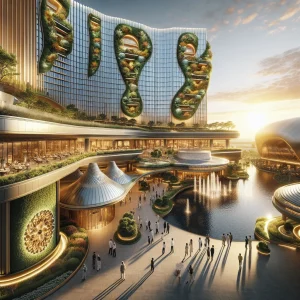
Casino architecture is shedding its static skin. The building envelope itself is becoming a giant, programmable display and environmental regulator. Facades embedded with thousands of LED nodes or advanced OLED panels can transform a tower into a colossal digital canvas, showcasing art, promotions, or reacting to events in real-time. Beyond spectacle, these smart facades integrate photovoltaic cells for energy generation and can adjust their opacity or tint based on the sun's angle, dramatically reducing cooling loads. Inside, structural elements are getting smarter. Ceiling grids and columns are being designed as conduits for power, data, and sensors, creating a flexible nervous system for the entire building. This allows for the easy reconfiguration of spaces—walls that move, lighting tracks that adjust, and ventilation that follows crowd density—enabling a casino's layout to evolve overnight based on data from the previous day's traffic patterns. The architecture itself becomes agile, capable of physical transformation to meet ever-changing market demands.
The IoT Casino: A Networked Ecosystem of Sensors and Data
Every square foot of the modern casino is becoming a data point. The Internet of Things (IoT) is deploying a vast, invisible network of sensors throughout the property. These sensors monitor everything: foot traffic density and flow through different zones, occupancy at specific table games or slot banks, ambient temperature and humidity, noise levels, and even wait times at restaurants and bars. This real-time data stream feeds into a central AI-powered building management platform. The practical applications are revolutionary. HVAC and lighting systems adjust autonomously zone-by-zone, optimizing energy use for comfort and efficiency. Security is enhanced with smart cameras and sensors that can detect unusual behavior or identify maintenance issues like spills before they cause accidents. For operations, managers gain an unprecedented, granular view of patron behavior, allowing them to optimize staff deployment, game mix, and even the placement of amenities. The casino becomes a hyper-efficient, self-optimizing machine, with the IoT serving as its central nervous system.
Immersive Interiors: AR, VR, and Projection Mapping
Interior design is escaping the constraints of physical materials through immersive digital technology. Augmented Reality (AR) is being integrated into the guest experience via smartphones or smart glasses, overlaying digital information onto the physical world. A guest could point their device at a slot machine to see its historical payout statistics or at a restaurant menu to see 3D holograms of the dishes. Projection mapping is transforming static spaces into dynamic storytelling environments. A plain wall in a high-limit salon can become a serene forest, a bustling Parisian street, or a starfield, with the theme changing on the hour. Virtual Reality (VR) pods offer completely escapist experiences, from virtual poker tournaments with players worldwide to immersive adventures, providing a non-gaming attraction that leverages cutting-edge tech. These tools allow designers to create infinitely variable interior themes without costly physical renovations, offering a new kind of flexible, digital opulence that can be customized for different times of day or specific clientele.
Personalized Pods and Adaptive Gaming Environments
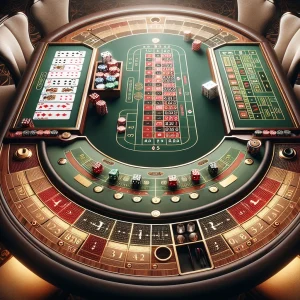
The one-size-fits-all casino floor is giving way to personalized, adaptive micro-environments. Imagine slot machine banks or table game pits enclosed in intelligent pods. Using RFID in player loyalty cards or facial recognition (with consent), the system identifies a guest as they approach. The pod then adjusts to their preferences: their favorite music begins to play, the lighting shifts to a preferred color temperature, and the digital display surfaces welcome them by name and suggest game options based on their history. The physical gaming equipment itself can adapt; a digital table game can switch from blackjack to baccarat with a touch. This level of hyper-personalization, powered by AI and machine learning algorithms that analyze player data, makes the guest feel uniquely valued. It also allows for more efficient space utilization, as a single physical area can seamlessly transform to cater to different games and player profiles throughout the day.
Biometric Integration and the Frictionless Experience
Technology is streamlining the entire casino journey into a frictionless experience, with significant implications for spatial design. Biometric systems using facial recognition or palm-vein scanning are being integrated for secure, cashless transactions and seamless entry into loyalty lounges or high-limit areas. This reduces the need for large, prominent cashier cages and membership desks, freeing up prime floor space for revenue-generating activities. The design of entry sequences changes; instead of queuing at a front desk, guests might walk through an elegant portal that quietly authenticates them. Furthermore, integrated apps allow for digital check-in, food and beverage ordering, and show ticket purchases from anywhere on the property. This reduces congestion at service points and influences interior design to create more comfortable, lounge-like waiting areas with charging stations and interactive displays, rather than traditional queues. The architecture facilitates a flow where technology removes barriers, creating a sense of effortless luxury.
The Sustainable-Tech Synergy: Data-Driven Resource Management
This digital transformation is powerfully converging with sustainability goals. The vast sensor network and AI analytics provide the ultimate tool for resource management. Water usage can be monitored in real-time across the entire property to instantly detect leaks. Energy consumption of every system, down to individual lighting fixtures in low-traffic areas, can be analyzed and optimized. Predictive maintenance, powered by AI, can forecast when HVAC filters need changing or when a kitchen appliance is likely to fail, preventing waste and downtime. Smart windows with electrochromic glass can tint automatically, and irrigation systems can water landscapes based on precise soil moisture data and weather forecasts. The technological infrastructure built for guest experience and operational efficiency becomes the same platform that drives the property toward net-zero energy and water goals. In this synergy, high-tech design becomes inherently green design, proving that the most advanced casinos will also be the most responsible.