The Art of Illusion: How Interior Design Masters Craft the Ultimate Casino Experience
Walk into any world-class casino and you are immediately enveloped in an atmosphere that feels both exhilarating and strangely comforting. This is no accident. Behind the glamour lies a meticulously calculated science of interior design, where every square foot is orchestrated to influence mood, behavior, and ultimately, revenue. Casino interiors are perhaps the most psychologically manipulative commercial spaces ever created, masterfully blending art, architecture, and behavioral science. Designers in this niche field are not just decorators; they are experience architects, engineering dreams and leveraging human psychology to craft environments that encourage play, prolong visits, and make patrons lose track of everything but the game at hand. The casino floor is a stage, and every design choice is a line in the script.
The Intentional Maze: Strategic Layout and Circulation Patterns
The floor plan of a casino is its strategic blueprint, designed to maximize exposure and engagement. The classic model is the "racetrack" or "maze" layout. Main pathways curve and meander, deliberately avoiding clear sightlines to exits. This design ensures patrons pass by the maximum number of gaming opportunities—banks of slot machines, vibrant table games—before they can find their way out. High-demand, high-excitement games like craps or roulette are often placed in the interior, acting as anchors that draw people deeper into the space. Slot machines, the economic workhorses, are arranged in intimate clusters or along walls, creating semi-private zones that feel secure and immersive. Importantly, essential amenities like restrooms, cashiers, and popular restaurants are frequently located at the farthest points from entrances, requiring a journey through the gaming arena. This circulation strategy isn't about confusion for its own sake; it's about creating a journey of continuous temptation, where disorientation supports the goal of prolonged engagement.
The Alchemy of Light: Engineering Mood and Focus
Lighting is the single most powerful tool in the casino designer's arsenal, used to sculpt space, dictate mood, and control perception. The overarching principle is the creation of a timeless, windowless environment. Natural light is banished to eliminate circadian cues. In its place, a sophisticated layered lighting scheme takes over. General ambient lighting is warm, diffuse, and low-glare, casting a flattering, relaxing glow that reduces eye strain during long sessions. This is often achieved with thousands of energy-efficient LEDs hidden in coves or behind translucent panels. Task lighting is then strategically deployed: focused pools of light over table games create dramatic, theater-like stages, emphasizing the action and the dealer. Slot machines are self-illuminated, their colorful screens and buttons acting as beacons. In high-limit salons, lighting becomes softer and more refined, using decorative fixtures to convey exclusivity. The overall effect is a perpetual, comforting twilight that makes the outside world—and the passage of time—feel irrelevant.
A Symphony of Stimulation: The Strategic Use of Sound and Color
The auditory landscape of a casino is as carefully composed as its visual one. Sound serves multiple psychological functions. The constant, celebratory symphony of slot machines—jingles, digital fanfares, the clatter of virtual coins—creates a blanket of positive reinforcement and excitement. This soundscape is engineered to be stimulating but not overwhelming, providing a sense of energy and anonymity. It also effectively masks the passage of time and private conversations. In table game areas, the sound profile changes; the focus is on the sounds of the game itself—the riffle of cards, the spin of the roulette wheel—accentuated by the reactions of players. Color psychology is employed with similar precision. Reds, golds, and oranges dominate for their associations with energy, luck, warmth, and action. These colors are believed to stimulate appetite and excitement. Cooler colors like greens (associated with money) and blues are used in high-limit areas or restaurants to promote a sense of calm and trust. The vibrant, complex patterns of casino carpets are legendary, designed to be visually interesting at foot level, keeping the gaze downward toward the games, while also hiding wear and stains.
The Hierarchy of Space: From Main Floor to High-Limit Salons
Casino interiors are meticulously stratified to cater to different player demographics and psychological profiles. The main gaming floor is designed for volume and energy. It is open, brightly lit (in the casino sense), and buzzing with activity. As one moves toward more exclusive areas, the design language shifts dramatically. High-limit slot areas and private gaming salons are often physically separated by doors or elevated platforms. The interior design here speaks of privilege and calm. Ceilings may be lower, lighting is softer and more decorative, seating is plush and arranged for privacy, and the color palette transitions to rich woods, deep blues, and creams. The soundscape is noticeably quieter. Materials become more luxurious: marble, polished wood, and custom artwork replace mass-produced finishes. This spatial hierarchy uses design to make high rollers feel valued, secure, and separate from the crowd, reinforcing their status and encouraging larger wagers in a more controlled, dignified setting.
The Senses of Comfort: Texture, Aroma, and Climate Control
Beyond sight and sound, casino design engages the full sensory spectrum to create a cocoon of comfort. Climate control is paramount; systems maintain a constant, slightly cool temperature to keep patrons alert, with higher oxygen levels often cited as an unproven but persistent design rumor. The tactile environment is carefully considered. Slot machine chairs are ergonomically designed for long sits—padded but not too plush, encouraging periodic movement. Table game chairs are more substantial. Carpets are thick and sound-absorbing. Even the feel of poker chips is part of the sensory appeal. Scents are subtly introduced through the ventilation system; clean, fresh, or subtly sweet aromas (like vanilla or coconut) are common, chosen to create positive subconscious associations and mask less pleasant odors. The goal is to eliminate any physical discomfort—being too hot, too cold, tired, or hungry—that might prompt a guest to leave. The environment is engineered to be physiologically neutral-to-positive, allowing psychological engagement with the games to remain the sole focus.
The Modern Evolution: Biophilic Design and the Non-Gaming Guest
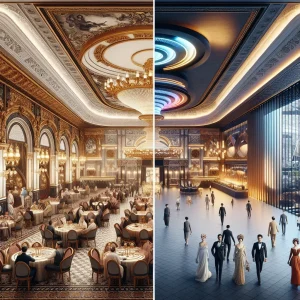
The latest evolution in casino interior design reflects the industry's shift toward the integrated resort model. With non-gaming revenue now critical, designers must create spaces that appeal to a broader audience, including conventioneers, diners, and shoppers. This has led to the incorporation of biophilic design principles—integrating natural elements to reduce stress and enhance well-being. Living green walls, indoor water features, abundant natural materials (stone, wood), and even simulated daylighting in non-gaming areas are becoming common. The aesthetic in restaurants, lobbies, and retail wings is often completely divorced from the traditional casino palette, embracing contemporary, boutique, or thematic styles. The challenge for today's designers is to create a seamless flow between these diverse environments, allowing the energetic, stimulating casino core to exist alongside serene, nature-inspired spaces, crafting a holistic destination that captivates every type of visitor, gambler or not.